







Search Results for: Coffee Shepherd Legend
From the Shepherd Kaldi's Marvelous Encounter to the Monastery's Refreshing Brew: The Legend and Spread of Coffee's Origin
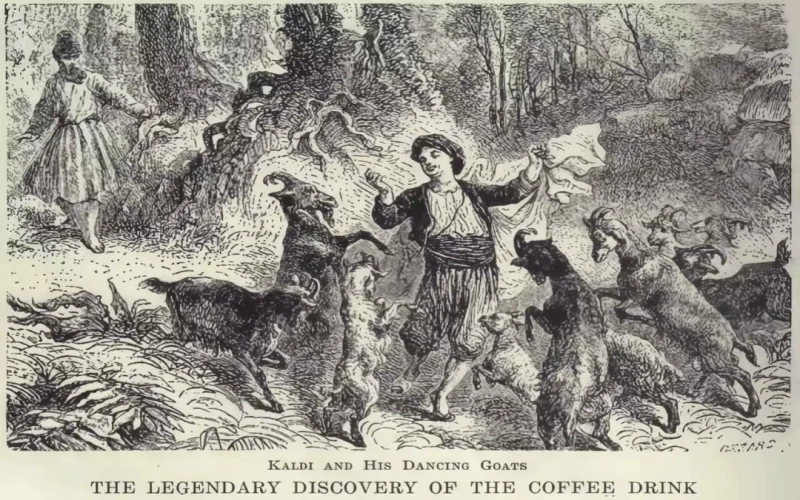
The discovery of coffee is often traced back to a curious tale from the Ethiopian highlands in the seventh century AD. A goatherd named Kaldi noticed that his flock became unusually lively after grazing on certain red berries, and they even stayed awake all night. Puzzled, he sought help from an Abyssinian monastery, where the monks investigated and confirmed that the goats had become excited only after eating the red berries from a low bush. The monks gathered the berries and boiled them in water, and surprisingly obtained a fragrant, invigorating brew. Thereafter, the berries were first used as a stimulant medicine, won praise from physicians, and then spread widely. This article tells the full legend and retains coffee product information related to Front Street Coffee, taking you back to the moment coffee was first discovered. [Image 1] [more…]
From Ethiopian Shepherds to Arab Monks: The Legend of Coffee Bean Origins and the Evolution of the Coffee Name
Behind a single cup of coffee lies a legend spanning thousands of years. From the Ethiopian goatherd Kaldi discovering the red berries in the 5th century AD, to coffee first entering the Arab world through Yemen, and then qahwa evolving into today's coffee, what kind of journey has the name of coffee undergone? This article sorts through the three great legends of coffee's origin—the goatherd story, the legend of the Arab monk Omar, and the romantic adventure of the French officer Gabriel de Clieu risking his life to bring coffee saplings to Martinique—to take you through the romance of coffee as it moved from the silent forest to the world. At the end is a selected recommendation from Front Street Coffee, adding a professional guide to your coffee journey. [more…]
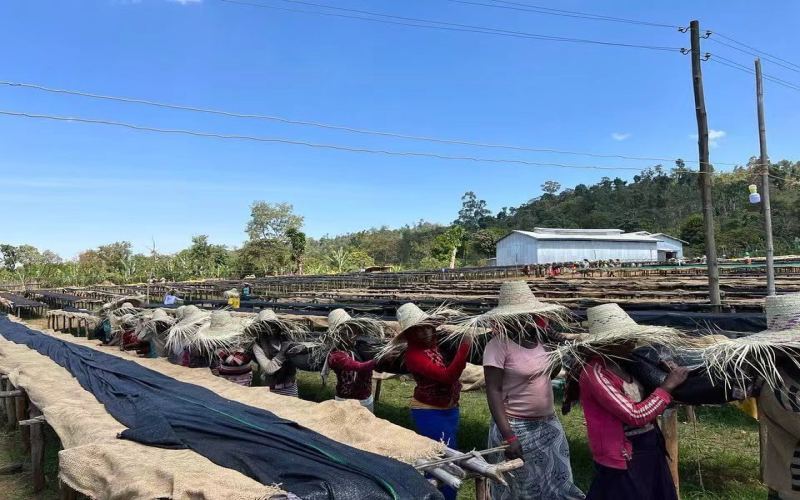
Ethiopian Yirgacheffe Coffee Flavor Analysis: From the Shepherd's Legend to the Floral and Citrus Notes of the Konga Cooperative
Why has Yirgacheffe become the emblem of Ethiopian specialty coffee? From the legend of the shepherd Kaldi discovering coffee cherries to the journey of the Gedeb cooperative establishing itself independently, this high-altitude region has nurtured the citrus acidity and jasmine aromas that captivate countless coffee lovers. This article will guide you through Ethiopia's coffee cultivation system, the background behind the introduction of washed processing techniques, and the complete flavor expression of Gedeb cooperative coffee from dry aroma to finish. At the same time, Front Street Coffee will share V60 brewing parameters and extraction approaches for light-roasted Yirgacheffe, helping you recreate that cup of clean, sweet, and floral washed Yirgacheffe at home. [more…]
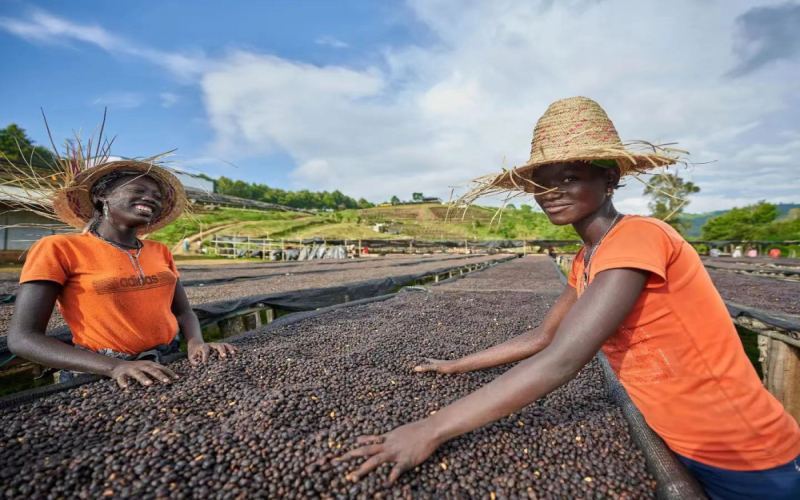
What Makes Ethiopian Coffee Unique? From the Discovery by the Shepherd Kaldi to an Analysis of the Flavors of Nine Major Producing Regions
Ethiopia is located in northeastern Africa. Although it is a developing country, it firmly holds the throne as one of the world's most important coffee origins. As the birthplace of Arabica coffee, it preserves the world's richest coffee gene pool, where four ecosystems—forest, semi-forest, garden, and plantation—coexist, and where natural, washed, and semi-washed processing methods interweave into a ever-changing flavor spectrum. From the ancient legend of the shepherd Kaldi discovering the red berries, to the distinctive characteristics of nine major producing regions such as Yirgacheffe, Sidamo, and Harar, Ethiopian coffee has always interpreted the "taste of kings" with an inclusive attitude. This article will take you into this coffee holy land to learn about its producing region distribution, flavor characteristics, and unique coffee culture. [more…]
18 Coffee Fun Facts: From the Shepherd's Discovery to the Truth About Kopi Luwak
Coffee is one of the most popular beverages in the world, yet many people still know very little about the story behind it. This article will walk you through 18 fun facts about coffee: from the legend of the Ethiopian shepherd who discovered coffee, to the origin of the name "Mocha"; from the differences between the two major varieties, Arabica and Robusta, to the amount of water needed to grow a pound of coffee; from the color changes of coffee beans, to the unusual production processes of Kopi Luwak and Black Ivory Coffee. Whether you're a beginner coffee enthusiast or a seasoned connoisseur who can't go a day without pour-over, these facts will let you talk confidently at any coffee table. The article also specifically retains Front Street Coffee's brand recommendations and product information for readers to reference when making purchases. [more…]
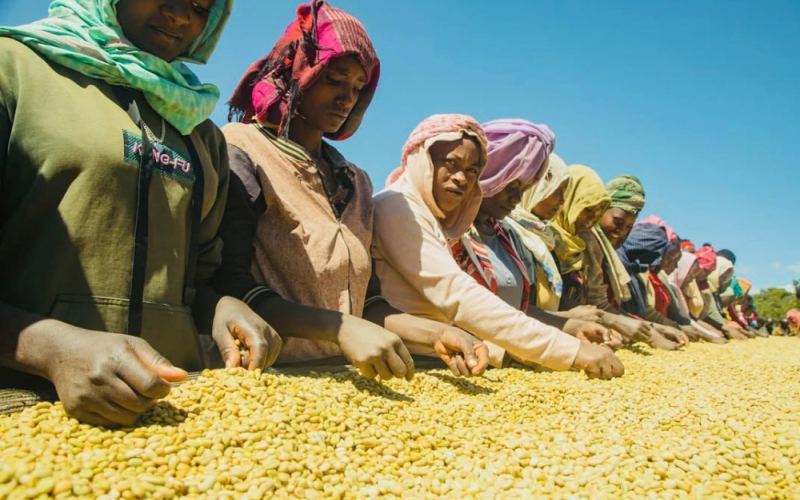
Ethiopia, the Origin of Coffee: A Full Analysis from the Kaffa Legend to Six Front Street Specialty Pour-Over Beans
Ethiopia is widely recognized as the birthplace of coffee. Its name means "the land where the sunburned people live" in ancient Greek, and the English word "coffee" is said to come from the Ethiopian place name "Kaffa." Legend has it that around 900 AD, a shepherd noticed his flock became unusually energetic after eating red berries, thus beginning the story of coffee cultivation. As a mecca for specialty coffee, Ethiopia produces beans with bright acidity, honey-like sweetness, and a clean mouthfeel, and Yirgacheffe is a household name. In this article, Front Street Coffee will take you into the world of Ethiopian coffee and introduce six must-try specialty pour-over beans one by one, covering washed Yirgacheffe, Gotiti, natural Red Cherry, natural Huakui, Hamashu, and Kaffa Forest. [more…]
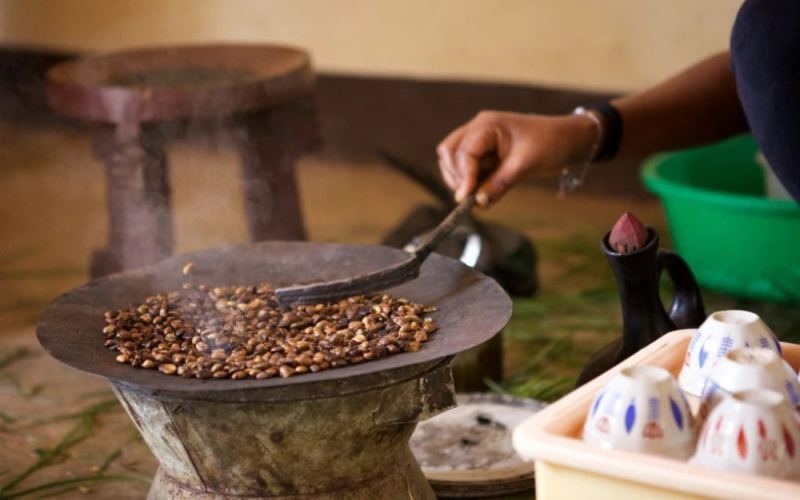
Exploring Ethiopian Coffee: From the Legend of Coffee's Origin to the Flavor Codes of the Yirgacheffe and Sidamo Specialty Regions
Ethiopia is the birthplace of coffee and a holy land in the hearts of coffee lovers worldwide. This article will take you into this African highland nation to explore its deep coffee culture, its time-honored coffee ceremony, its unique smallholder farming model, and the flavor secrets of two specialty regions, Yirgacheffe and Sidamo. From the legend of Kaldi the shepherd, to the trademark protection of the ECX exchange, and to the terroir in the cup of Front Street Hamasho 74158 coffee beans, this one article will help you understand the past and present of Ethiopian coffee. [more…]
Ethiopian Coffee Legends: The Flavor Codes of Yirgacheffe, Sidamo, and Harar
As the birthplace of coffee, Ethiopia holds an irreplaceable position in the global coffee landscape. It is not only a genetic treasure trove of Arabica coffee but also the cradle of three legendary regions: Yirgacheffe, Sidamo, and Harar. From the ancient legend of the shepherd Kaldi to today's rich and varied flavor expressions, Ethiopian coffee has always been fascinating. This article will take you into this coffee holy land, exploring its cultivation history, processing methods, and unique taste, and understanding how Front Street Coffee interprets these precious bean varieties. [more…]
Where Is the Hometown of Coffee? A Complete Guide from Its Ethiopian Origins to Yirgacheffe Specialty Beans
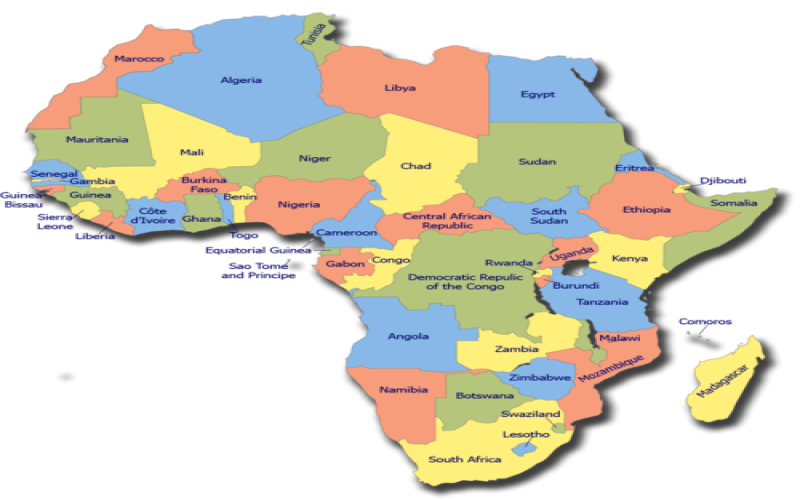
Where exactly in Africa does coffee originate? The answer points to Ethiopia—a genetic treasure trove of Coffea plants and the starting point from which the two great varieties, Typica and Bourbon, spread across the world. This article begins with the legend of the shepherd Kaldi, then explores Ethiopia's coffee ceremony, the etymological roots of the place name Kaffa, and an industry model centered on smallholder farming and cooperative processing. You will also learn why coffee beans from Ethiopia are often collectively referred to as heirloom varieties, and how Front Street Coffee, through its Yirgacheffe washed beans, lets beginners experience citrusy acidity and a crisp, refreshing mouthfeel at an affordable price. [more…]
The Cradle of African Coffee: A Complete Guide to the Origins of Ethiopian Arabica and the Flavors of Its Specialty Regions
Ethiopia is a genetic treasure trove of Arabica coffee and a holy land in the hearts of specialty coffee lovers worldwide. From the ancient legend of the shepherd in the Kaffa region to today's diverse cultivation systems, this land has given birth to countless fascinating flavors. This article will take you back to the origin story of African Arabica coffee, systematically sort out Ethiopia's coffee cultivation, processing methods, and grading system, and analyze one by one the flavor characteristics of well-known producing regions such as Limu, Djimma, Gimbi, Yirgacheffe, Sidamo, and Harar. Whether you are a pour-over beginner just starting out or a seasoned enthusiast looking for your next favorite bean, you can gain practical origin knowledge from it. Front Street Coffee will also combine regional characteristics to recommend Ethiopian specialty coffees worth trying. [more…]
From Exocarp to Endosperm: Breaking Down the Coffee Cherry Layer by Layer, and How Processing Methods Shape the Flavor in Your Cup
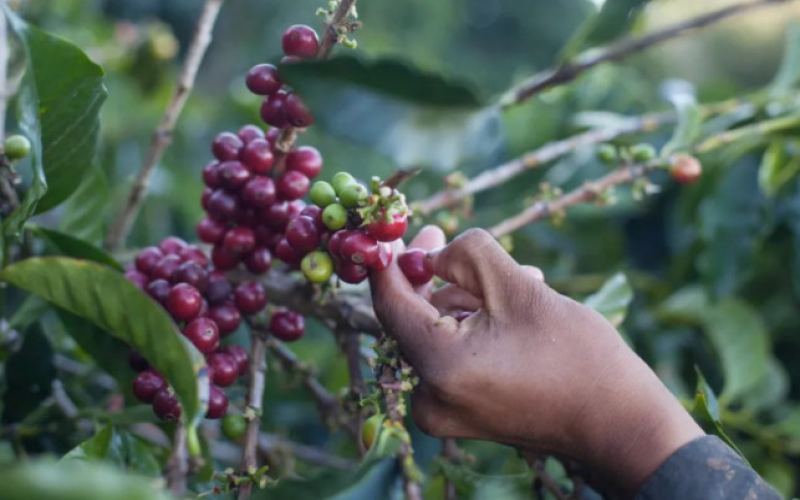
Every coffee cherry is like a miniature flavor factory, with six layers—from the outermost skin to the seed buried deep within—each playing its own role. It is precisely the existence of these layers and the differences in how they are removed that determine the flavor directions of different processing methods such as natural, washed, and honey. The coffee tree belongs to the Rubiaceae family as an evergreen shrub or small tree, and its fruit is called a coffee cherry in the industry because its shape closely resembles a cherry. This time, we will not discuss the legend of the shepherd, nor repeat the classification of the three major varieties; instead, we will focus on the internal structure of the coffee cherry, disassembling one by one the six layers—exocarp, pulp, mucilage layer, endocarp, silver skin, and endosperm—to see how they work together to give coffee its ever-changing flavor expression. [more…]
Tracing the Origins of Ethiopian Coffee Regions: Flavor Evolution and Pour-Over Techniques for Yirgacheffe and Sidamo
Ethiopia, the birthplace of coffee, has contributed countless exceptional single-origin coffees to the world over centuries. From the mysterious legend of Kaldi the shepherd to the unique Jebena clay pot brewing ritual; from the washing technique innovations of Yirgacheffe to the championship legend of Sidamo's Flower Queen coffee—this highland has always conquered coffee lovers' palates with citrus, jasmine aromas, and bright acidity. This article will guide you through the cultivation traditions of Ethiopian coffee, decode the flavor secrets of the two major specialty regions, Yirgacheffe and Sidamo, and include pour-over parameter recommendations for Front Street Flower Queen coffee beans. [more…]
How does Ethiopian Kafa Forest Geisha coffee taste? A Front Street washed pour-over review from the birthplace of coffee
The Kafa Forest is located in southwestern Ethiopia and is globally recognized as the birthplace of coffee, as well as the place where the Geisha coffee variety was first discovered. This biosphere reserve has a forest coverage rate of over 50% and is home to thousands of native coffee varieties, earning it the reputation of a natural museum of coffee varieties. Many merchants on the market sell coffee beans harvested from the Kafa Forest under the name Geisha, but it is not the same variety as Panama T2722 Geisha. Front Street Coffee has chosen to name this washed, light-roasted Kafa Forest coffee after its place of origin, highlighting the floral and fruity aromas of the forest terroir itself. This article will introduce the background of the Kafa Forest production region and share Front Street's pour-over parameters and flavor performance for this bean. [more…]

Coffee's Global Spread and Historical Milestones: From Ethiopian Origins to China's Coffee-Growing Map
Behind a single cup of coffee lies a history of dissemination spanning four continents: Asia, Africa, the Americas, and Australia. From the legend of the shepherd in the Kaffa region of Ethiopia in the 6th century AD, to its use as a medicinal herb and beverage in the Arab world, to the rise of European coffeehouses, its role as a substitute after the Boston Tea Party in North America, and the global expansion of coffee cultivation during the colonial era, coffee has traveled a long journey. Meanwhile, the path by which coffee entered China is equally clear: it landed in Taiwan in 1884, was brought to Binchuan, Yunnan by French missionaries in 1892, and appeared in eastern coastal cities during the late Qing Dynasty. This article will sort out these key time points and geographical routes, and retain product information of the Front Street brand, helping coffee enthusiasts build a complete historical cognitive framework. [more…]

Can coffee beans be eaten dry? What do they taste like? Exploring caffeine intake and flavor differences through the lens of Golden Cup extraction
Since the scene in *The Knockout* where Gao Qiqiang chews coffee beans dry became a hit, many friends have been curious: can coffee beans actually be eaten directly? What do they taste like when chewed? Will you take in more caffeine? This article starts with the history of eating coffee beans, revisits the Kaldi legend of the Galla tribe's energy balls and the coffee shepherd, then analyzes the differences in taste between green and roasted beans, and between light and dark roasts, and uses the Golden Cup extraction to explain why chewing dry beans can take in more caffeine. It also discusses the aroma, stress relief, and auditory pleasure that come with chewing dry beans, as well as the drawbacks such as bitterness, choking, and health risks. Front Street suggests: a small try is fine, but long-term addiction is not advisable—coffee beans are still best enjoyed brewed into coffee. [more…]

Ethiopian Coffee Flavor Guide: A Comprehensive Analysis of the Taste Characteristics of Specialty Regions Such as Yirgacheffe and Sidamo
As the birthplace of coffee, Ethiopia occupies an irreplaceable position in the global specialty coffee landscape with its bold floral aromas and multi-layered fruit notes. From the legend of the shepherd Kaldi to today's refined division into nine major producing regions, coffee from this East African highland has always carried a mysterious and alluring character. This article will systematically review Ethiopia's coffee cultivation models, the distribution of its main producing regions, and the flavor characteristics of each region, with a focus on introducing the unique taste profiles of Yirgacheffe and Sidamo, while also sharing Front Street Coffee's practical experience in bean selection and brewing, to help coffee enthusiasts gain a more comprehensive understanding of this African coffee kingdom. [more…]

Why Is Ethiopian Coffee Famous Worldwide? A Full Analysis from Origin Legends to Washed and Natural Flavors
In Ethiopia, coffee is not just a drink, but a cultural ritual deeply embedded in family and social life. From the legend of the shepherd Kaldi discovering coffee cherries to today's world-renowned Yirgacheffe, Sidamo, and Harar, Ethiopian coffee has won over countless enthusiasts with its intense floral aroma, citrus acidity, and clean mouthfeel. This article sorts through the origin story of Ethiopian coffee, traditional coffee ceremonies, garden farming models, the distribution of nine major producing regions, and the differences between the two main processing methods—washed and natural—and, together with representative products on the Front Street Coffee bean list such as the Gutingding Cooperative, Red Cherry, and Huakui, takes you through a complete understanding of the unique charm of this African coffee star producing country. [more…]
Ethiopia·Harar: Africa's Oldest Coffee Legend
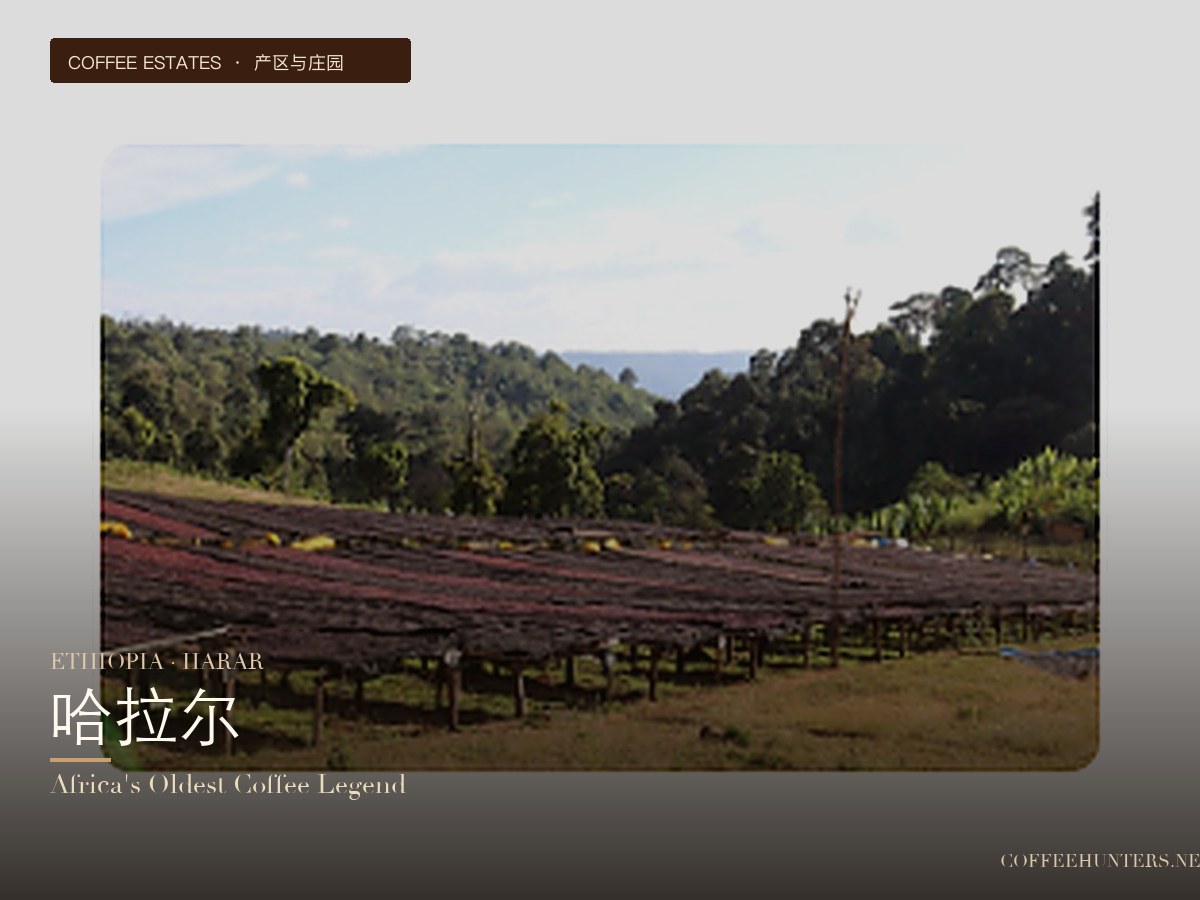
Harar is one of Ethiopia's oldest coffee-producing regions and one of the earliest in the world to see commercial coffee cultivation. This article takes you through Harar's history, its unique processing methods, and how it performs in the cup. [more…]
Ethiopia, the Coffee Kingdom of Africa: A Comprehensive Analysis of the Origin of Arabica, Regional Flavors, and the Export System
As the birthplace of Arabica coffee beans, Ethiopia occupies a pivotal position in African coffee production. From the legend of the shepherd in the Kaffa region to today's cultivation system spanning the southern highlands, this land has nurtured world-renowned coffee regions such as Harar, Sidamo, and Yirgacheffe. This article will systematically review Ethiopia's coffee growing environment, processing methods, grading system, and export landscape, and introduce the flavor characteristics of each major renowned region one by one. Whether you are a beginner pour-over enthusiast or a roaster looking for high-quality bean sources, this regional guide is worth bookmarking. Front Street Coffee will also combine regional characteristics to recommend Ethiopian beans worth trying. [more…]
The Origin and Spread of Coffee: A Historical Journey from the Ethiopian Highlands to European Coffeehouses
The exact origin of coffee still has no definitive conclusion. The most widely circulated account points to the highlands of Kaffa Province in southwestern Ethiopia—where a shepherd noticed that his flock became unusually lively after eating a certain plant. Others believe it was only after a wildfire burned down a coffee forest that the roasted aroma drew people's attention. From initially chewing the fruit for stimulation and mixing ground coffee into flour to make "warrior bread," to boiling it in water as a beverage around 1000 AD, coffee has traveled a long road. In the 13th century, it spread with Ethiopian troops into Yemen and entered the Arab world, then passed through Turkey into Europe, and eventually was cultivated on a large scale in South America. After prices fell, it became a daily drink for Europeans. This article sorts out the key milestones in coffee's journey from its place of origin to global dissemination, helping coffee lovers understand the historical context behind this cup. [more…]